With the rise of streaming services, attention has become the most valuable currency in film, and familiarity is often the safest investment. So, producers and directors turn to elements other than a brand–new story to make a film stand out: star studded casts, hybrid genres, or even the nostalgia of a legacy sequel.
For those unfamiliar, legacy sequels are movies that continue a film franchise after a prolonged period of time. They typically focus on both new and preexisting characters and acknowledge the original’s impact, including its narrative and themes.
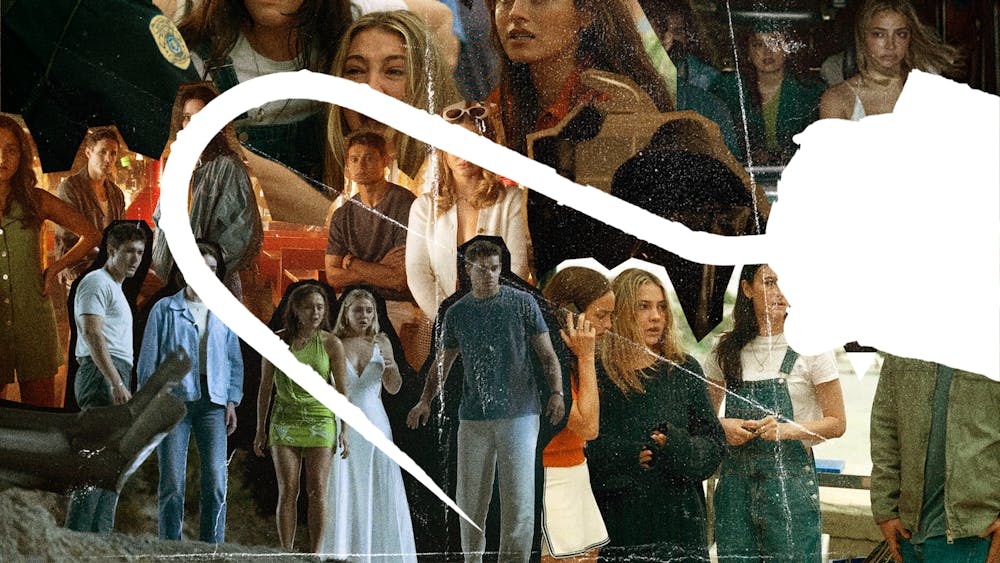
Look at I Know What You Did Last Summer (2025), a legacy sequel for the popular 1997 slasher of the same name. In trying to appeal to as many people as possible, it ends up doing too much, ultimately sacrificing its identity and narrative integrity. The film calls out to Gen Z audiences, plays into nostalgia for established fans, includes a cast of popular contemporary actors as well as returning faces from the original, and throws in romcom elements in an attempt to make a lighthearted slasher. And while the film itself is entertaining, its execution in honoring the films that came before it falls short.
In the 1997 original, four friends are celebrating a beauty pageant win, subsequently get into a car accident with a pedestrian, and attempt to cover it up. A year later, they are reunited under less–than–ideal circumstances—they are being stalked by someone who knows what they did and is seeking vengeance. However, In the 2025 reboot, on the night of Danica (Madelyn Cline) and Teddy’s (Tyriq Withers) engagement party, their group of friends gets into an accident resulting in the death of an innocent bystander. Instead of waiting to give a statement, the group flees quickly after reporting the incident. A year later, at Danica’s bridal shower, this time with a new fiancé, an anonymous note alerts the group that they were being watched on that fatal night and someone is out to exact revenge.
In terms of legacy sequels, I Know What You Did Last Summer (2025) plays it incredibly safe. Nostalgia? Tons of it. Passably entertaining? Sure. Contributing something new to the franchise while integrating any sort of contemporary commentary? Not quite.
Part of any legacy sequel’s success is timing, messaging, and understanding their audiences. Take Top Gun: Maverick (2022), which seamlessly merges conversations of loss and grief without sacrificing any of the coolness and charisma that captivated viewers of the original film. Freakier Friday (2025) also works because its audience has grown up along with its characters; its story includes a multi–generational body–swap and an ultimately heartwarming message surrounding familial relationships. It is not only a flashback to viewers’ childhoods and teenage years, but foregrounds a new stage of life that original audiences may find themselves in now. Finally, Creed (2015)—which continues the highly popular Rocky franchise—reunites audiences with beloved character Rocky Balboa (Sylvester Stallone) and explores themes of identity, legacy, emotional vulnerability, and mortality with a new protagonist, Adonis Johnson (Michael B. Jordan). Triumphant legacy sequels offer something new to audiences while grounding itself in all of the elements that made the originals well–known and beloved in the first place.
In contrast, 2025’s I Know What You Did Last Summer feels more like a remake than a continuation of the franchise, thanks in no small part to massive plot retreads. Differing from a legacy sequel, a remake simply aims to recreate a story with similar characters, plotlines, and themes. For those expecting something original, the near–identical narrative neither adds anything new to the genre nor the franchise itself, leaving audiences disappointed and frustrated, whether a general moviegoer or nostalgia–seeking fan.
Then there is the case of impactful messaging that releases too late. Tron: Ares (2025) follows a self–aware AI program that migrates into the real world and ends up pushing commentary about a reality that has already been realized. It neither offers an escape nor deep analyis of modern society—it is a surface–level reflection of issues the world already faces today. In contrast, the 1982 Tron film was forward–looking and dystopian, featuring a fully digital world that had not been achieved yet. So many legacy sequels suffer the same way: Jurassic World, The Matrix: Resurrections, and yes, I Know What You Did Last Summer (2025). Each plays too much into marketability rather than artistic integrity. I Know What You Did Last Summer, in particular, is a slasher suffering from a mess of awkwardly timed comedic and romantic moments; instead of committing to or building upon the cultural significance of the franchise, it is a hodgepodge of genres in a sore attempt to grow their audience.
At the end of the day, legacy sequels are solely produced for audiences to buy tickets and stream online. Yes, all films attempt to do this, but the singular purpose of legacy sequels is to feed off viewers’ recognition, comfort, and memory. In doing so, they may introduce an iconic franchise to younger generations, but more is required in order to preserve within the cultural zeitgeist. It’s one thing to simply recreate what made an original film great, but it is something else entirely to produce art that actually means something to long-term fans that builds upon pre–existing a cinematic world and creates new meaning within it. That being said, it will be interesting to see how upcoming films like The Devil Wears Prada 2, Scream 7, and Toy Story 5 will both draw audiences in and satisfy them. Will they be able to walk the tightrope between memory and invention? Or will they, like so many others, lose their balance?