
Skip to Content, Navigation, or Footer.
34th Street Magazine - Return Home

Film & TV

Fling Concert 2.0


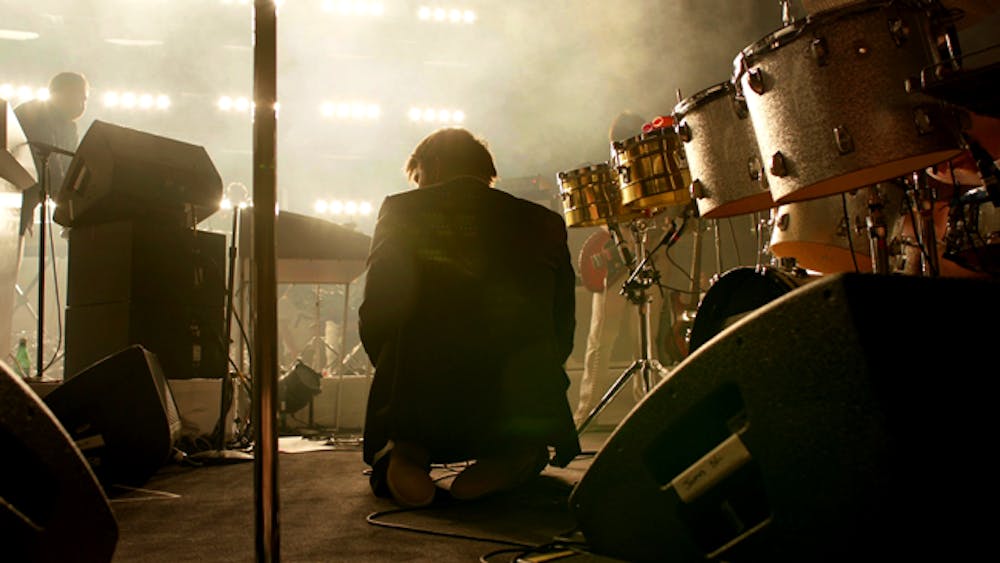
“Shut Up and Play the Hits” (2012)

LCD Soundsystem

Why? Because the beautiful cinematography and desperate atmosphere perfectly capture the closing chapter of the monumental band’s career.


“Justin Bieber: Never Say Never” (2011)

Justin Bieber

Why? Because, even though he's fun to hate, Bieber is a true technology–age celebrity, and to watch his rise from YouTube to teen stardom is honestly fascinating.


“The Last Waltz” (1978)

The Band

Why? Because the rockumentary’s director, Martin Scorcese, is a bigger household name than any of the Fling artists.


“Stop Making Sense” (1984)

Talking Heads

Why? Because it's raw, quirky and straight–up good music that gives you the highest of highs. Not to mention it features a comically large suit—you really can’t lose.


“This is It” (2009)

Michael Jackson

Why? Because, although he died before the concert tour even began, Jackson knew how to put on a show. “Live” music videos, special celebrity cameos, gravity–defying dance videos—he really was the King.


“Woodstock” (1970) 

Grateful Dead, The Who, Jimi Hendrix, and more

Why? Because this is what Spring Fling should be: a weekend of sex, drugs and powerhouse performers. Take note, SPEC.

More like this
ironlungdom.png
Review

‘Iron Lung’ and the Rise of the YouTuber Film

Iron Lung shows how a creator with a large online audience turned a low budget game adaptation into strong box office revenue through fan driven promotion and social reach. YouTube creators build direct audience ties, run production pipelines, and mobilize viewers to support projects across media platforms. The film’s performance signals a shift where online personalities compete with studio backed releases through community scale and digital marketing power.

Wicked Duology
Film & TV

‘Wicked: For Good’ is for the Theatre Kids

Wicked: For Good closes its story without awards recognition but with clear creative conviction. The film’s reception reflects a mismatch between its intentions and critical expectations. Designed as the second half of a continuous narrative, it prioritizes character depth and long-term emotional payoff over accessibility. In doing so, For Good succeeds less as a crowd-pleaser and more as a film made for those already invested in the world of Wicked.