With about half of all marriages in the United States ending in divorce and about a third of all marriages starting from online dating, is it really that ridiculous to believe people could find true love on TV? According to all my friends, yes.
“The Bachelor” and “The Bachelorette” are dating shows, with the titular guy or girl searching for love amongst twenty–five suitors. “The Bachelor Pad” is a game show with a dating element. The contestants pair up and compete for a cash prize. The goal of the shows is to have couples end up together and get married… so their weddings can be aired on ABC.
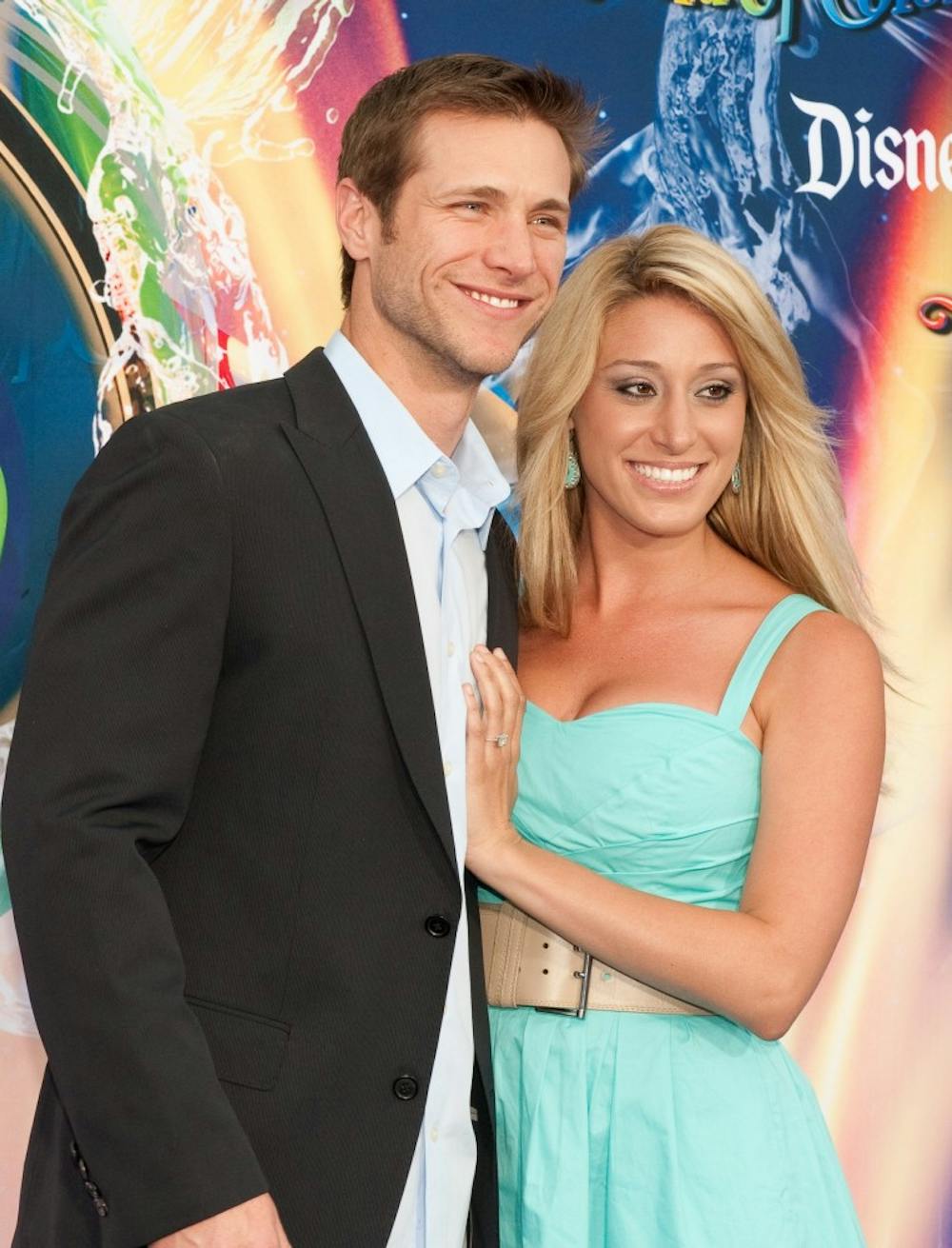
“How many marriages have there actually been from that show?” my friends always ask me with an eye roll when I confess my guilty pleasure. The stats are underwhelming. There have been five resulting marriages, two of which have ended in divorce. There are two couples from the shows currently engaged, one of which (Sean Lowe and Catherine Giudici) will marry on ABC in January. About 10 marriages have resulted between contestants from different seasons within “The Bachelor Family.”
So, maybe the success hasn’t been great in terms of love, but in terms of television… the franchise has been incredibly successful. Between the three shows there have been 30 seasons, with another one on the way in January. “Bachelor Nation” is one of the most supportive fandoms in the country. They must be doing something right.
“The Bachelor” shows are better than other reality shows because they don’t pretend to be the actual reality of these people, like the Kardashians or the real housewives. No one is pretending this is normal life, which makes it a lot more relatable and less annoying than most reality shows. And, although it’s not their reality, it’s definitely so much better than yours. The dates the contestants go on are fantasies. And of course, there’s drama in the house. What could be bad?
In the second golden age of television, we no longer turn on TVs to be mindlessly entertained. But to be honest, sometimes it’s nice to watch something that’s kinda stupid. If you held a gun to my head, I’d admit that it’s probably scripted, the drama is made up and the relationships will not last. It’s the Hallmark holiday of television shows: totally fake. And I love every minute of it.