
It’s no secret that reality television is regarded as low–effort entertainment by internet critics; it's a guilty pleasure at best. Yet for the girls and the gays, it’s more than just a pastime … it's a ritual. From RuPaul’s Drag Race to Love Island to Survivor, these shows offer a heightened world of drama and personality–driven narratives, inviting fans to participate in stan culture and examine the broader, internet–amplified social commentary they generate. Reality television creates a space where big personalities thrive, morally gray areas are explored, and ridiculous, if not reflective, social dynamics are assessed.
And let’s be honest: if you’re watching reality television, you watch for the villains.
From liars to cheaters to frauds to downright evil people, villains are the source of all the mayhem in reality television. These are the characters we either love, love to hate … or just hate in general. They are the ones bringing in the entertainment factor. After all, as viewers, we have an innate understanding that the “reality” in reality television is a fabricated lie. The narrative sold to us consists of decisions made by producers and executives based on what they believe will bring the most entertainment value to the table.
Take Survivor for example. It’s the longest–running social strategy competition on CBS, where contestants are dropped into the wilderness, divided into tribes, and are forced to vote each other out all in the pursuit of a million–dollar prize. It’s a game built on betrayal, manipulation, and psychological warfare disguised as the adventure of a lifetime. Still, we tune in because underneath this grand competition, we just want to see the drama. How far are people willing to go to secure a million dollar win while crushing someone else’s dream in the process?
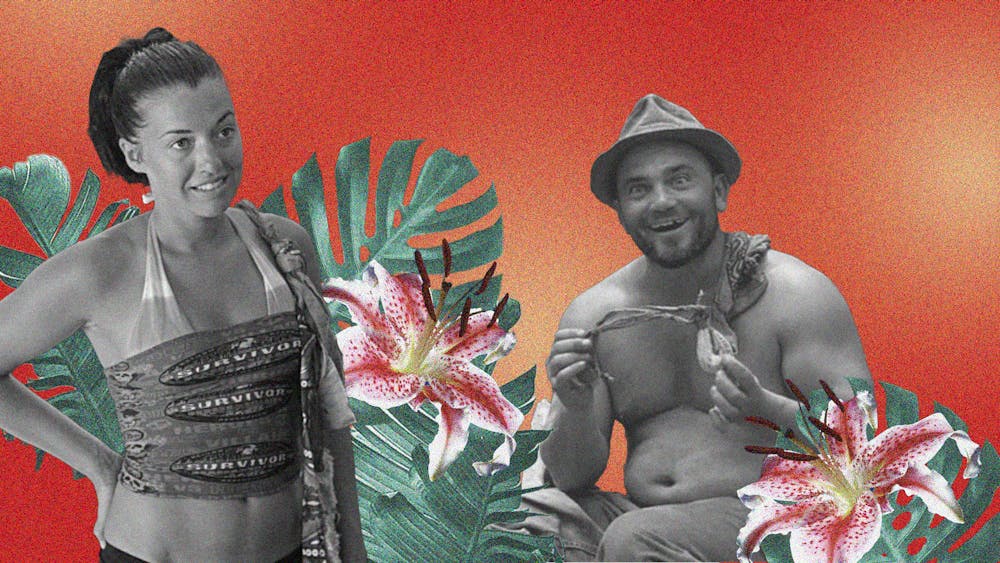
With such a premise, the show has produced some of reality television’s most notorious villains. For example, its very first winner, Richard Hatch, is dubbed a villain for establishing a dominant alliance that eventually voted off the opposing tribe after the teams merged. Ironically, his actions set the foundation for Survivor strategy moving forward. Parvati Shallow, winner of Survivor: Fans vs. Favorites, led an all–female alliance to vote off all of the men in her winning season. Russell Hantz, runner–up on back–to–back seasons Survivor: Samoa and Survivor: Heroes vs. Villains, infamously lost his seasons due to a ruthless strategic gameplay and general lack of respect for other contestants. Survivor’s most iconic moments come from the manipulative behavior, explosive interactions, and emotionally charged outbursts made by its villains.
With that said, the recent announcement of the Survivor 50 cast has fans confused. Executive producer and host Jeff Probst announced that this monumental season will be subtitled “In the Hands of the Fans,” alluding that viewers will have a major role in dictating aspects of the season, such as twists and advantages. Yet, even with its increased cast size of 24 contestants and Survivor’s history of allowing fans to vote players for returnee seasons, audiences had no control over the participants.
As a result, not only is there an unequal distribution of new and old era contestants on the cast list, but there also seems to be an imbalance of personalities. Half of the contestants are from the new era of Survivor (Survivor 41 to Survivor 49). Not to mention, the most recent season Survivor 48 has received a concerning amount of negative feedback for the “kumbaya” nature of its contestants, resulting in stale game play, boring characters, and overextended emotional backstories.
"We want a cast that represents all types of players, spanning all the eras," said Probst in a panel posted on Survivor CBS’s YouTube account. Yet, Survivor seasons spanning from Survivor: Samoa to Survivor: Cambodia have been given little to no representation—a whole ten seasons worth of contestants (and villains!) to choose from.
Instead of the high–stakes lineup we deserved, audiences have received a cast list with many fan favorites, but very few definite, villainous standouts. The only returning villain from the iconic Survivor: Heroes vs. Villains is Coach Wade, the self–proclaimed Dragon Slayer controversial for his narcissistic storytelling and self–righteous behavior that clashed with the hero characters of his original season Survivor: Tocantins. Recent fan favorites Emily Flippen from Survivor 45 and Genevieve Mushalek from Survivor 47 are also among the contestants, and although these women exhibited villain–esque behaviors in their original seasons, their character arcs highlight growth and accountability. Although high–conflict characters haven’t disappeared from the show completely, it’s worth noting the change in character archetypes within what is meant to be one of the most cutthroat games on television.
A huge reason why there is a lack of true bad guys in modern Survivor really comes down to Probst. In a Rob Has a Podcast segment, a podcast hosted by Rob Cesternino (third place finisher in Survivor: The Amazon), Probst stated, “In the hands of somebody else, I can tell you, for sure, there would be more ‘villains,’ more negativity, more yelling at each other … it’s just not going to happen when I’m part of the show. I’m just not interested in it. There’s too many other things we could do and still have fun.”
That said, fans will probably continue to tune in to Survivor. It still entertains, even without the original charm of its earlier seasons. But that isn’t to say that the show wouldn’t benefit from letting contestants unleash more of their villainous sides again, stirring up drama that hits deep—personally and strategically.