
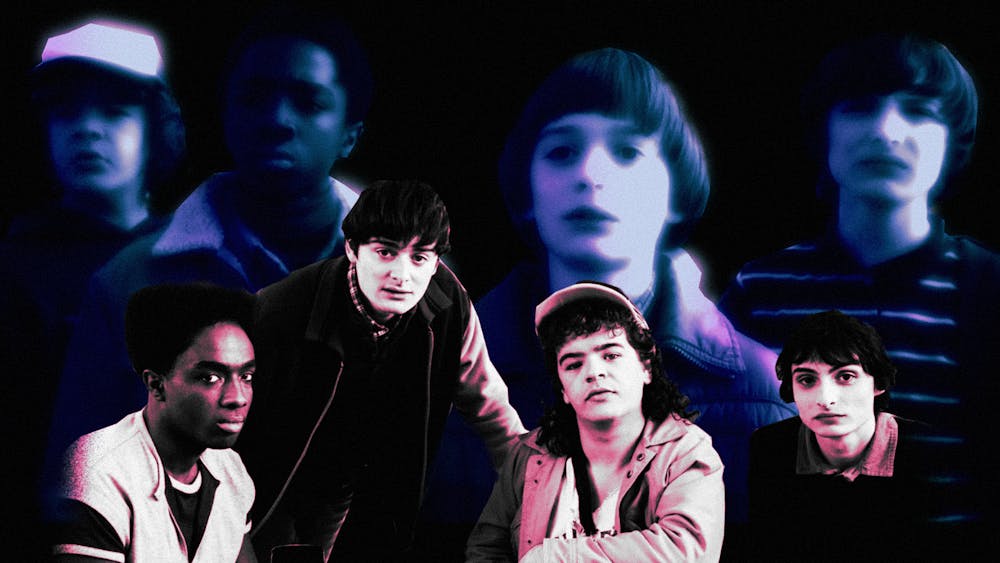
When Stranger Things first arrived on Netflix in 2016, it felt immediate—fresh, small–town, 1980s horror with kids on bikes, Eggo waffles, and monsters in the dark. The episodes came fast, and the show became a pop–culture phenomenon almost overnight. But for a series that had such a remarkable first impression, its pace has changed drastically since. By the time its fifth and final season arrives in late 2025, nearly a decade will have passed since the premiere. The show will have delivered a mere five seasons in ten years. For many fans and observers, the question isn’t just “What happens next?” but “What took so long?”
So many things have happened during the intervening years. The star–kids grew up. Millie Bobby Brown matured into more adult roles, even starting her own production company, PCMA Productions. Finn Wolfhard wrote and directed Hell of a Summer. Gaten Matarazzo returned to Broadway in Dear Evan Hansen and Sweeney Todd. Sadie Sink starred in The Whale and the Fear Street trilogy. Each of them moved into projects that signaled a life beyond Hawkins.
Meanwhile, the show’s production pushed further outward—episode ‘movies,’ two–part seasons, and a theatrical–level special effects budget (fitting, as the series finale will play in select theaters upon release). The wait between seasons stretched longer and longer: Though Season 4 released in May/July 2022, Season 5 won’t land until the holidays later this year. The show's creators, Matt and Ross Duffer, have defended this strategy, saying that rushing seasons leads to “diminishing returns.”
In many ways, that long gap between seasons became part of the show’s identity. The Duffers often said they preferred the cadence of film to TV—they grew up watching movies, not weekly episodes. But these long gaps had consequences. Shows that began and ended in the same interval—Riverdale, Cobra Kai, Succession, Yellowstone, Squid Game, Young Sheldon, 13 Reasons Why—have come and gone while Hawkins waited. Audiences shifted habits. The world moved on, and Hawkins aged.
And so did the kids who were once core to the show's magic. Part of Stranger Things’ appeal for its younger audience was always emotional projection—you weren’t just watching Eleven (Brown) or Mike (Wolfhard) grow up, you were watching yourself do the same. Each new season felt like a check–in with childhood: the same faces, a little taller, a little older, still fighting the same monsters. But by Season 4, that trick started to turn bittersweet. The innocence of bike rides and D&D basements gave way to driver’s licenses, college plans, and adult grief. Stranger Things wasn’t only about nostalgia anymore—it became nostalgia itself.
The Duffers leaned into that shift. They wrote more reflective characters, heavier pacing, and longer runtimes, as if refusing to let the story end before its cast could outgrow it. But the cost of that approach is emotional distance: The actors who once felt like peers now read as adults playing teens, a reminder that we’ve all moved past Hawkins even if the show hasn’t. In trying to freeze that 1980s childhood in amber, Stranger Things ended up documenting its own loss of youth.
Production itself became more ambitious. Season 5, according to reports, is being treated “like eight movies”—each episode longer and more cinematic. Filming endured external shocks: The 2023 strikes delayed the start, budgets ballooned, and the cast’s ages and commitments grew. What started as a modest eight–episode inaugural season has turned into one of the most expensive streaming shows in the world. The Duffers have called it their “Return of the King” moment—an ending so large it had to wait until every piece was ready. That patience might pay off, but it also might test the limits of an audience that grew up faster than the show did.
And the franchise hasn’t remained confined to Netflix. Earlier this year, the show’s mythology jumped to Broadway with Stranger Things: The First Shadow, a prequel play set in 1959 Hawkins that opened at the Marquis Theatre in April. That theatrical turn underscores how Stranger Things has moved from a streaming surprise to a multi–platform machine—and now it’s heading into animation. Netflix recently announced Stranger Things: Tales From '85, an animated spinoff set between Seasons 2 and 3, arriving in 2026 and featuring the original gang (with new voices) facing a fresh Upside Down threat.
But what was gained by this slow climb, and what was lost? On the plus side, the series maintained a tonal consistency—nostalgia meets supernatural fright—without spinning off into dozens of ‘villain of the week’ seasons. It allowed the cast to grow naturally. It allowed the story to scale: By the final season, the stakes are no longer just battling one monster in Hawkins but dealing with the full mythology of the Upside Down, consequences and fallout included.
On the downside, a nearly decade–long run means the show’s original innocence is harder to recapture. The 12–year–old viewers of 2016 are in their 20s now, and younger audiences might feel disconnected from the show. The long waits test memory, momentum, and fandom intensity. The Duffers’ belief in the build–up made sense artistically, but it also meant Stranger Things lived in a rarified zone of patience. It’s like waiting for a friend who never quite shows up on time—you still care, but the excitement dulls around the edges.
In the end, the show may be less about monsters than about time and its passing: friends growing up, town myths aging, and the cost of telling a story slowly. The kids of Hawkins ride bikes no more—now, they ride towards something bigger. When Season 5 arrives in three parts (Nov. 26, Dec. 25, and Dec. 31), the entire run will feel like a farewell and the end of an era. Stranger Things didn’t hurry. Maybe that’s its strength—but maybe that’s also its fatal flaw.