There was a point this summer when it felt like every weekend belonged to the same studio. Warner Bros. kept dropping films that opened at No. 1, stacking one hit on top of the next until the run became the biggest win streak in recent memory. At the same time, streaming settled into its own rhythm: Apple TV+ pushed itself into the mainstream for the first time. HBO Max reminded everyone why its brand still defines prestige. And almost every major platform, from Netflix to Disney+, exposed the widening gap between streaming ecosystems and the theatrical market they once tried to absorb. The year didn't yield a single victor so much as a set of overlapping successes—one for theaters, one for television, and one for the industry’s sense of identity.
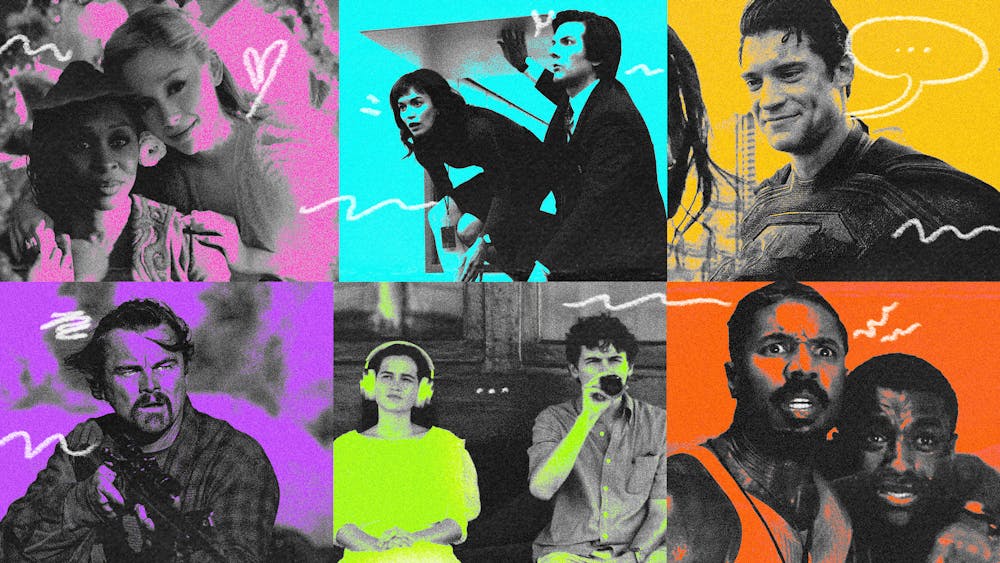
WB owned the theatrical conversation in a way that felt both old–fashioned and startlingly rare. The streak began with A Minecraft Movie, which turned a spring release window into a months–long box office anchor, pulling in families, gamers, and casual moviegoers with equal force. Instead of slowing down, the studio treated the year like a relay. Sinners landed cleanly. Final Destination: Bloodlines extended WB's momentum. Joseph Kosinski’s F1, backed by Brad Pitt and real track footage, kept the run alive through early summer. James Gunn’s Superman arrived in July and immediately became a symbolic reset for a franchise that had lost its footing over the last decade. Weapons followed as a sharp mid–sized genre win. The Conjuring: Last Rites brought franchise horror dominance back to the calendar. By the time One Battle After Another debuted, the streak had grown so long that analysts stopped asking whether WB had won the year and started asking how much they'd won it by.
The only shadow cast on that success was made by corporate intrigue. Rumors of a potential WB Discovery buyout trailed; Paramount, Netflix, and multiple private–equity groups have all been floated as interested parties. This uncertainty gives the victory a layer of tension—it was the story of a studio dominating the box office while also serving as the industry’s most talked–about acquisition target.
But WB’s consistent success stands out because the rest of the theatrical landscape looks so scattered. Disney scored one of the biggest hits of the year with their Lilo & Stitch live–action remake, but their three major Marvel films—Captain America: Brave New World, Thunderbolts, and The Fantastic Four: First Steps—all landed well below expectations. Universal held strong with Jurassic World: Rebirth, which blasted out of the gate with a massive global opening, and the live–action How to Train Your Dragon, which gave families another reliable option. Other studios played the margins. Sony (28 Years Later), Paramount (Mission: Impossible—The Final Reckoning), and Lionsgate (Ballerina: From the World of John Wick) all released solid titles without reshaping the theatrical map. Even holiday tentpoles like Wicked: For Good and the upcoming Avatar: Fire and Ash—both practically guaranteed successes—won’t retroactively change the shape of the year. The story was already set in stone months earlier.
One of the clearest case studies of the theatrical–streaming split came from an unlikely place: KPop Demon Hunters. After exploding on Netflix—becoming its most watched film of all time—the movie received a theatrical rollout that performed well above what limited releases usually manage. But considering the film's already–enormous streaming numbers, its box office success shouldn’t have surprised anyone. Netflix’s decision to allow a run didn’t bridge the gap between theaters and streamers; it served to expose how separate they’ve become. Streaming built the audience and theaters collected the overflow; that's almost a complete reversal of how it used to be just 10 years ago. Each system operates on its own terms, sharing nothing unless a company temporarily opens the door.
Television played out as a different kind of competition, one defined less by streaks and more by weight. For the first time, Apple TV felt genuinely mainstream. Severance returned after a long hiatus and turned into the platform’s biggest event, moving from a niche favorite to the show everyone seemed to watch the moment episodes dropped. The scale of conversation matched the show’s ambition, and Apple seems to be continuing that momentum with Breaking Bad creator Vince Gilligan’s Pluribus, which premiered to rave reviews and cemented Apple’s reputation for creative freedom. It wasn’t all drama: Critics immediately embraced The Studio, a sharp, self–aware satire about Hollywood ego and creative paralysis. It earned major Emmy attention and, more than anything else this year, signaled Apple’s confidence in making shows about the very system it’s trying to upend. In fact, the company earned more than 80 Emmy nominations this year and finally shed the ‘quiet quality’ label that had trailed it since launch. Apple didn’t flood the calendar, but what they released finally reached beyond the platform’s long–standing reputation as ‘the service with good shows no one watches.’
HBO, meanwhile, delivered the deepest slate of the year. The White Lotus Season 3 extended the franchise’s ability to reinvent itself with each location shift. The Last of Us Season 2 became another Sunday–night anchor and sustained weekly engagement better than almost anything else on any platform. The Pitt emerged as a surprise critical powerhouse, sweeping awards and showing that HBO could still launch a brand–new flagship series instead of relying on established hits. Returning series like Peacemaker, The Gilded Age, Hacks, The Rehearsal, and the It franchise's new show Welcome to Derry, filled out a lineup that no other streaming service matched in density or range. Under WB Discovery’s umbrella, HBO’s success only deepened the studio’s overall dominance: While WB ruled theaters, its sibling network ruled prestige TV.
Netflix kept its global grip with new seasons of Wednesday, Squid Game, and the rollout of Stranger Things 5 late in the year. But the platform’s ongoing weakness remained the same: The conversation around new shows evaporated quickly. Netflix still reaches the largest audience, but its all–at–once release model (even when a show is broken into 2–3 parts) shortens the lifespan of shows that would dominate for weeks elsewhere. Adolescence became the rare exception—a grounded, emotionally precise drama that critics hailed as one of the streamer’s best originals in years. The show earned multiple Emmys and gave Netflix its first true prestige breakout since The Crown. Prime Video played steady rather than loud with Invincible, Gen V, and Reacher, while Hulu offered reliable hits through The Bear and Only Murders in the Building. None of these platforms faltered, but none of them defined the year the way Apple and HBO did.
Disney+ had volume on paper, but gained little meaningful traction. Daredevil: Born Again arrived with years of hype and a loyal fanbase from the Netflix era, only to land with a muted response that fell far short of what Marvel needed. Two of the three animated Marvel shows—Eyes of Wakanda and Marvel Zombies—were released with almost no marketing support, dropped all at once, and vanished from the cultural conversation almost immediately. Ironheart fared no better, split into two three–episode drops that signaled Marvel’s uncertainty in its own TV strategy (it was the first non–weekly release for a live–action Marvel Disney+ show). The one exception to this disappointing trend was Andor Season 2, which drew real acclaim and maintained its reputation as the sharpest thing Lucasfilm has made under Disney. Everything else slid through the year without leaving much of a footprint.
All of this fed into the largest shift: the complete detachment of theatrical and streaming cultures. Once, the industry treated streaming platforms as extensions of the theatrical world, as places where big–screen stories could continue. Now, the two worlds are more separate than ever. The year’s biggest theatrical events built weeks of anticipation, slow–burn word–of–mouth, and real–time cultural stickiness. The year’s biggest streaming hits peaked fast, burned bright, and faded quickly. Netflix’s reluctance to give its films wide theatrical releases reinforced that gap. Even when directors like Rian Johnson pushed for longer windows for Wake Up Dead Man (Knives Out 3) or when del Toro’s Frankenstein got a limited release, those exceptions only proved the rule: Streaming doesn't want theaters as partners. It wants them as punctuation.
So who won 2025?
I’d have to say WB won movies by a margin wide enough to withstand any late–year challenger. HBO won television in depth—fitting, since it shares a parent company with the year’s box office leader—Apple, however, clearly won it in both impact and momentum. And the entertainment industry at large seems headed towards a future where theatrical culture and streaming culture grow farther apart, each achieving its own kind of success.
The split didn’t happen overnight. It built slowly through changing release strategies, new audience habits, and the ways platforms framed their own priorities. By the end of 2025, the divide feels less like a temporary phase and more like the new shape of the business.