Let’s talk about doomscrolling. The evil algorithms and waning attention spans of today’s youth make it almost impossible to avoid social media addiction. It’s become so much of a problem that people are suing social media sites for personal injury and winning. Despite the costs of lawsuits, apps like TikTok and Instagram rake in billions of dollars because the public can’t stop scrolling. This poses a great threat to streaming entertainment sites, as demand for quick stimulation reduces attention spans for full–length films and shows. The world’s ability to focus is in danger, pushing us towards an age of brain desensitization, cognitive decline, and “brain rot” addiction. But instead of correcting the problem by attacking the source, other areas of media are adapting the addictive scrolling model and utilizing new artificial intelligence technologies to do it. This addictive model is now spilling into other areas of media. A kind of imitation culture has formed, where scrolling through short vertical videos is the new norm in not just social media, but every facet of online content.
Nowadays, we have to assess every video as real or a product of AI. Much of the time, it’s the latter—AI “slop” is everywhere. Take, for example, “Fruit Love Island,” made by an anonymous Instagram user with AI to recreate the sexy scandal of reality TV, amassing millions of viewers with each new episode. AI content is increasing in popularity and addictiveness. You’ve probably seen the videos of celebrities doing crazy stunts online. In December of 2024, the internet was buzzing with news of OpenAI’s Sora, an app where people can create outlandish videos using AI. This app, created by the parent company of ChatGPT, allowed users to easily create short vertical videos combining their own image with AI backgrounds and characters. AI is seeping into every form of media, and Sora marked the inclusion of AI in the dreaded doomscrolling model. The app sparked a lot of controversy about deepfakes and who has the rights to a celebrity’s image and likeness. Many people filed lawsuits against OpenAI, with companies such as the New York Times citing copyright infringement. The AI company has been able to defend its content so far through “fair use” laws, but even so, the profitability of the app did not reach expectations. On March 24th this year, OpenAI announced the discontinuation of Sora, marking a shift in strategy from user engagement to other more tech–oriented business areas.
The connection of the AI phenomena to streaming is even more interesting. Just look at Disney+’s planned deal with Sora. Just a few months ago, then–Disney CEO Bob Iger signed a deal with OpenAI allowing them to utilize non–facial characters from Marvel, Pixar, and Star Wars in their user–generated content. Additionally, Disney+ agreed to invest $1 billion into the company, hoping to integrate some of these new technologies into their existing platforms in the future. This was a Hollywood Hail Mary—an attempt by Disney to keep up with the superior technological algorithm of Netflix—but ultimately, it didn’t pan out. Disney announced its withdrawal from the deal with OpenAI just a few hours after Sora’s discontinuation.
However, Disney is continuing with the development of “verts”—swipe–able, vertical video feeds that let users scroll through short clips from their favorite movies and TV shows on Disney+. Instead of browsing through menus, viewers can quickly engage with bite–sized scenes (much like TikTok or Instagram Reels) and then jump directly into full episodes or films if something catches their interest. This format is designed to appeal to mobile–first audiences and shorter attention spans, using recommendation algorithms to personalize what users see.
In an interview prior to the announcement of verts, Erin Teague (EVP of Product Management for Disney Entertainment and ESPN) said, “Vertical videos are really great as daily habits—snackable, short, bite sized experiences.” Disney wants to turn their app into a “must–visit daily destination” by adding not just scenes from longer–form episodic or feature titles, but also original short–form programming and repurposed social clips.
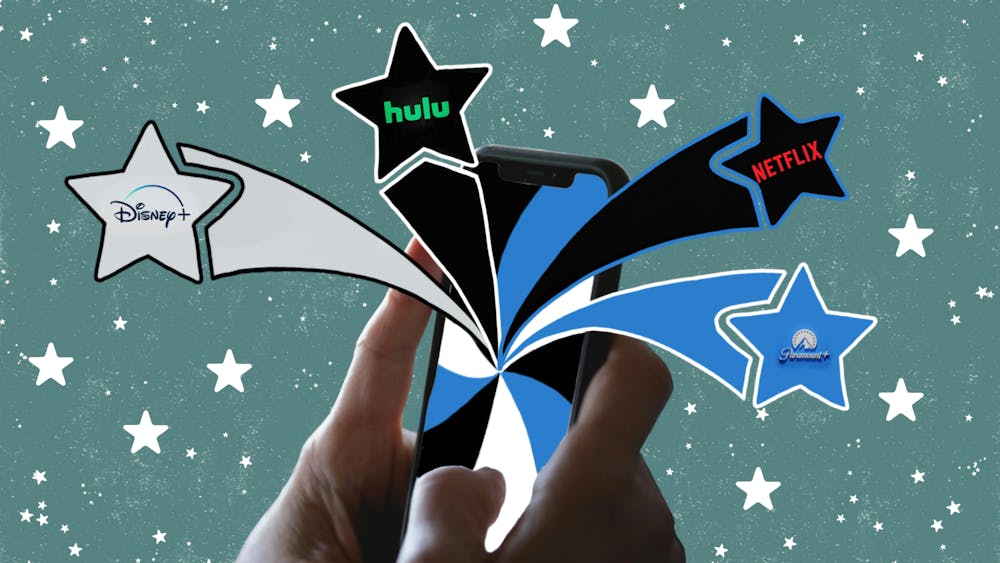
Disney+ isn't the only app incorporating verts. This trend is everywhere in streaming. Netflix co–CEO Greg Peters announced the expansion of its “Clips” section into other video types, including original content and video podcasts. These media moguls now see social media platforms like Instagram as a threat to their success and are competing through mimicry—the creation of their own verts through an AI–driven algorithmic model. In fact, open up your chosen streaming service on your phone. The vast majority of streaming sites have succumbed to the vertical streaming style. On Peacock, there’s the “Can’t Miss Clips/Highlights,” where viewers click through live shows, games, and TV like it’s an Instagram story. Even Spotify has fallen victim with its music video highlights, formatted the same as any “brainrot.” Whether or not this imitation of social media will succeed is yet to be seen.
Additionally, the world of “miniseries” is a realm of success little known by the masses. Originating from TikToks and Instagram Reels, miniseries are low–budget film series characterized by drama, overacting, and AI voiceovers. Most people laugh and scroll past the stories, but an increasing majority is captivated by the cliffhangers and even download separate apps just to watch the rest of the series. Even more ridiculous is that most apps, like Reelshort and DramaBox, cost money—on average $20 per week for a subscription. Comparing that to Netflix’s $17.99 per month is ludicrous, but the trend has attracted a surprising number of people. In fact, in the first half of 2025, DramaBox averaged 44 million monthly active users, which is more than Paramount+ and Hulu. In terms of revenue, it’s a smash as well. IMDb’s Box Office Mojo says that each hit series on MyDrama (a similar app) generates $12–15 million in revenue, whereas the average box office performance for U.S. theatrical releases was $13.4 million in 2025.
This mode of short attention–grabbing video storytelling is catching up to—or maybe even surpassing—standard television and film. As traditional streaming platforms struggle to keep up with the fast dopamine bursts of TikToks and Reels, AI–generated short verts are taking over. As the Washington Post states, “The future is vertical, optimized for short attention spans.” Indeed, our world is heading in a concerning direction: humanity’s ability to focus is decreasing exponentially, along with its ability to produce media unassisted by AI. As streaming is declining and doomscrolling thrives, we are sacrificing creative originality for endless distraction and succumbing to a world of AI–produced brainrot.