Just a few years ago, June 1 meant opening Instagram to an inundation of rainbow profile pictures and stories as companies switched to Pride month–themed marketing—a pattern that has fallen off in recent years. This Pride month, many retailers have scaled back Pride–related activities, marketing, and funding, primarily because of government scrutiny. Noticeably, Pride–themed collections—limited–edition product lines made to celebrate the month—have shifted; many brands aren’t featuring them prominently online or are taking physical items out of stores.
In past years, companies from Gap to Ulta to Target typically released rainbow–colored T–shirts, tote bags, makeup collections, and more. Some went a step further and collaborated with LGBTQ+ designers or donated proceeds to charities fighting for LGBTQ+ rights. However, many often didn’t go past a rainbow makeover for their products. That phenomenon, dubbed a part of “rainbow capitalism,” raises questions about how involved corporations should be in Pride. Gestures like these collections can come off as performative, especially when companies don’t do much to materially support the LGBTQ+ community (or worse, actively work against LGBTQ+ rights as companies like Amazon and Budweiser have).
Cait Lamberton, a professor of marketing at Wharton, puts it simply in one Penn Today article: “It’s one thing to collaborate with and elevate the voices of LGBTQ+ designers or business leaders. That’s about affirming the contributions and equalizing representation of an underrepresented group. But putting a rainbow label on your mouthwash, which is shoved under your bathroom sink most of the time? It’s not clear what that accomplishes.”
At the same time, vocal support for the community during a time when it’s increasingly threatened feels important and powerful in some way. For me, the difference between performativity and sincerity lies in the details: the specificity a brand uses in its designs, the history it does (or doesn’t) acknowledge, and the material work they do to support the LGBTQ+ community. Not all collections are created equally: some lean into the nuances of LGBTQ+ history and community investment, while others come off as markedly insincere. With that in mind, here’s how four brands are navigating Pride month this year, where they succeed and where they fall short.
Levi’s
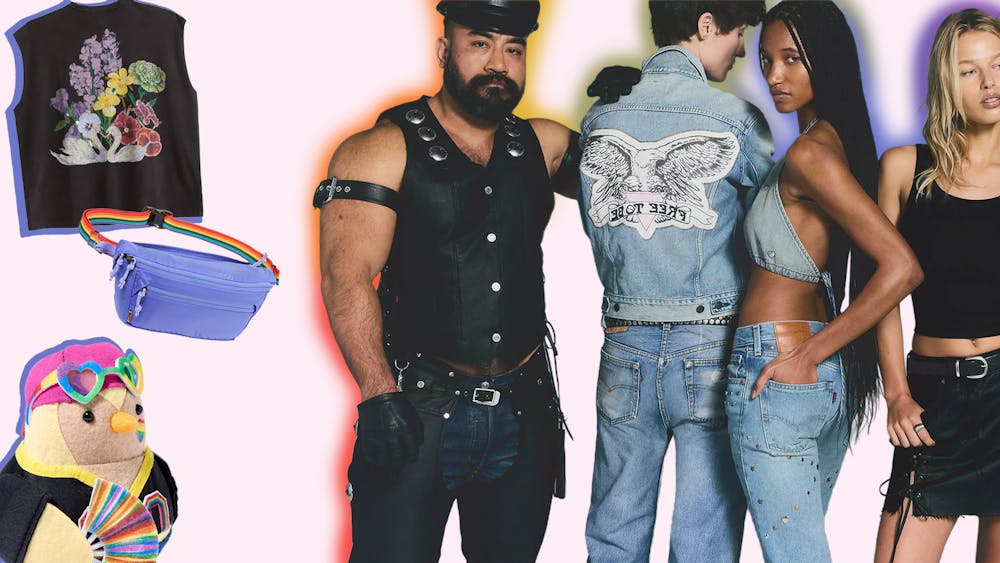
Titled “Together, We Ride,” Levi’s 2026 Pride collection spotlights the often overlooked history of queer motorcycle clubs. In a press release, the company describes these groups as “brotherhoods and sisterhoods that served for decades as vital sources of fellowship, mutual protection and defiant joy for LGBTQ+ people.” While some pieces fall into the trap of feeling like a normal Levi’s item with a rainbow slapped on, Levi’s was overall successful in creating a nuanced, history–driven, and unexpected body of work.
In collaboration with the GLBT Historical Society, the collection reinvents graphics and symbols from their archives with a modern twist. “The collection pays homage to that spirit—the worn leather, the hardware, the grit and the solidarity that defined those communities and helped give shape to a broader movement,” the brand writes. Indeed, they successfully produced items people actually want to wear (at the time of writing, standout pieces like the Night Ride Chaps and Pride Vest are sold out online) that also feel grounded in advocacy and history. But the collection isn’t perfect. For example, the choice to include the denim jacket featuring an upside-down pink triangle, a symbol that originated in Nazi Germany to distinguish gay men and crossdressers in concentration camps, is a hard sell to say the least—especially considering they didn’t reorient the triangle to be right side-up, as later activists reclaiming the symbol did.
Overall though, especially considering Levi’s $100,000 donation to Outright International, I think the collection is what people have been asking and looking for: a genuine effort to engage with the details of queer history and liberation.
Abercrombie & Fitch
Abercrombie’s collection is advertised as “celebrating the common thread that brings us together,” a theme markedly less cohesive than Levi’s. The pieces feel more understated and wearable than the typical collection, and others are specific and referential. It includes allusions to famous queer film Brokeback Mountain, iconic lesbian bar Slammers, LGBTQ+ artist Remi Wolf, and the Stonewall Inn—widely regarded as the birthplace of the modern Pride movement.
More importantly though, the company has pledged to donate $400,000 to the Trevor Project, a leading nonprofit organization focusing on suicide prevention for LGBTQ+ youth, regardless of how much the collection sells. Still, the tension between Abercrombie’s brand identity during the 2000s and 2010s—when it was known as one of the most exclusionary brands in American retail—and today is definitely palpable.
REI Co-op
A somewhat unusual inclusion, REI Co–op sells primarily outdoor recreation gear, clothing, and travel equipment. Their 2026 collection, “Outside with Pride,” features nonbinary artist and illustrator Alva Skog. “I wanted to illustrate queers resting in nature together while their bodies become like the landscape itself,” Skog says. “My hope is that this little image will spark inspiration to spend more time outdoors together and a reminder that rest is resistance.” Their message resonates through the featured illustration, which seamlessly captures the mountainous imagery Skog aimed to. The brand’s approach of elevating LGBTQ+ artists (as well as collaborating with LGBTQ+–owned brands to sell technical gear) feels tangibly Pride–related, and considering how outdoor spaces have historically been coded as straight, white, and male, the collection is especially relevant and impactful.
Target
Target’s collection exemplifies Pride collections’ broader trend: theirs is advertised at the bottom of the main website (while collections for Father’s Day and the 4th of July are at the top), and pieces lack the same specificity and historical significance as the above brands. This is in line with the company’s 2024 decision to stop selling the Pride collection in all stores following backlash to the collection from primarily conservatives. Anecdotally, some have complained on social media and online that in–person stores barely feature any items (a dramatic change from a few years ago).
With brands like Target downsizing collections, and many more ignoring Pride entirely, even those that show up imperfectly are significant. As Lamberton says in her Penn Today piece, “Support feels much better than silence. Those of us who grew up in decades where the LGBTQ+ community’s needs were met with either indifference or intolerance instinctively appreciate the rainbows. At least these companies aren’t leaning away, and it’s not in the very distant memory that many did.”
Although discourse about corporate pride collections seems to only be growing, Pride ultimately isn’t about what big–name company’s apparel you’re wearing. While how these brands show up is significant, it’s not the end all be all. Increasingly, people are shopping from smaller LGBTQ+ artists on platforms like Etsy; buying directly from local, queer-owned businesses, or skipping the merch entirely. After all, Pride wasn’t built by a corporate sponsor.