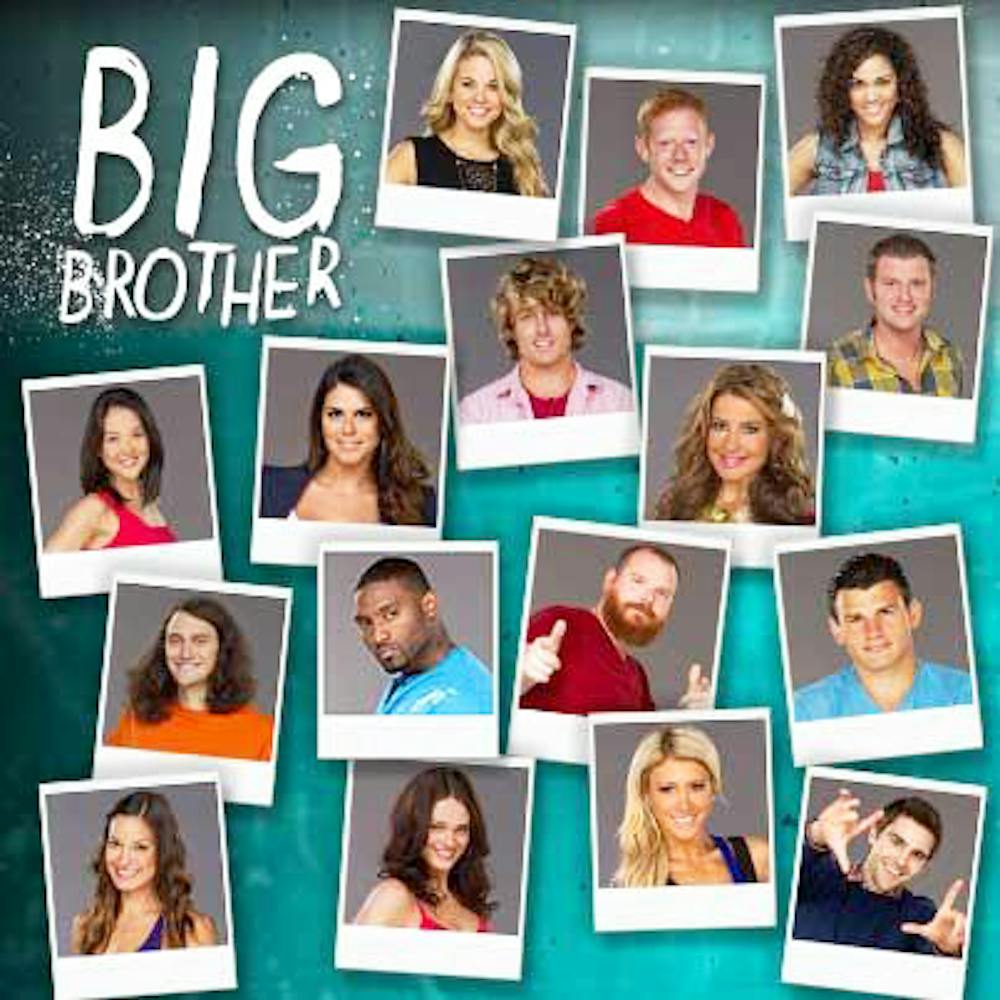
CBS’ aging reality show competition “Big Brother” concluded this week after a tumultuous season of racism, sexism and homophobia. As a rule, CBS avoided broadcasting any controversial material (e.g. a former houseguest’s homophobic rant on Dumbledore’s sexuality). Yet, after discrimination directly affected the houseguests’ gameplay, CBS began airing nasty tirades after disclaimers. This is less impressive when you consider that superfans first drafted petitions to the network demanding the expulsion of one contestant for racist declarations about African and Asian American houseguests.
The most alarming aspect of the situation is that the houseguests chose to expose their bigotry fully aware that everything they say or do is under surveillance 24/7. Are they that negligent? Would their discrimination be worse if they weren’t on camera?
People will babble anything just to acquire a position under the limelight. Many of these houseguests wanted their fifteen minutes of fame. They attained what they strove for, but for all the wrong reasons. Now they have to deal with the repercussions, including a barrage of death threats and the loss of their jobs, for the rest of their lives. Google Aaryn Gries; the results are ugly. Good luck signing on to another modeling agency after this notorious excursion.
The “Big Brother” house is a microcosm of our society. Fifty years after the March on Washington, we’re still living in a world that deals with issues of injustice on a daily basis. Most recently, this involved an explosion of media attention over the race and ethnicity of the newest Miss America. Racist commentary isn’t taken lightly, nor is it easy to detach one’s name from such words. Yet, contestants continue to air their uncensored thoughts on these reality shows seemingly without a filter.
Big Brother is watching. Networks demonstrate no effort to police such remarks even with critical condemnation; rather they relish each opportunity to boost their ratings from bigoted, racist and/or misinformed talent. While we can hope these prejudices cease in the future, dystopian or not, odds are that these reality shows will continue to thrive from this “fame.” It’s the reality of reality television.