
Visit a tourist destination, attend a local concert, or dine at any trendy restaurant, and the same ritual plays out: Dozens, if not hundreds, of photos and videos are taken. Some are destined for an Instagram post or TikTok video while others will live quietly in the depths of a camera roll, occasionally visited during random late–night scrolls. In a culture dominated by phone usage and social media platforms, the urge to document is practically automatic. While this compulsion exists, though, a counter–revolution urges people to be in the moment, put away the phone, and experience a moment without documenting it.
Maybe the question isn’t whether we should be documenting our experiences or not, but rather why are we documenting them in the first place, and how does the act of documenting or lack thereof change the way we experience and remember certain moments. We rarely consider our choices: the specific moment we reach for the camera, the image we capture, and the decision to share it publicly to the world. After all, aren’t our meaningful experiences and memories the sum of who we are as people?
The conversation about photography in the digital age often falls into extremes. Some call for a return to full presence, absent from polluting camera flashes and clicks, equating phone usage with disconnection from the experience. Others document compulsively, uploading every meal and moment to their social media, perhaps as a way of immortalizing every second. Whether the intention is rooted in showing off or not is another conversation. There is indeed a middle ground worth exploring: intentional photography. While the usual definition of this term invites photographers to take control of their camera through the framing, composition, and various visual elements of their photographs, at its core, it is about being deliberate with what we capture. In turn, how we share it can enhance the experience rather than degrade it.
Studies have shown that photography itself doesn’t inherently reduce enjoyment. In fact, when individuals take photos with the purpose of capturing something meaningful for themselves, not for an external audience, they’re more likely to recall and appreciate the moment later on. The issue, then, isn’t necessarily with the act of documentation but rather the way social media has distorted our relationship with documentation.
Our current visual culture is changing. Highly filtered and manufactured Instagram posts are becoming replaced by casual candids, photodumps, and the reemergence of disposable and film photography. Apps like Dazz Cam try to emulate aesthetics that an iPhone’s built–in camera cannot capture. Gen Z is reaching for grain, blur, and spontaneity to replicate a sense of authenticity.
Yet, even this so–called authenticity has been commodified. A photo dump is no longer truly random. Its charm has been carefully arranged. A mirror selfie that feels spontaneous has likely been taken four times and edited in VSCO. Even not editing a photo is a decision that fits a certain kind of aesthetic. This isn’t necessarily a bad thing, though. After all, style is a language, and social media is a performance space. All of this to say, the more “casual” Instagram becomes, the more subtle the performance becomes … and the more difficult it is to separate intention from performance.
Every post invites perception. It’s built into the infrastructure of social media. Likes, comments, saves, and shares quantify judgment. The decision to post just on a finsta or only post on your close friends story inherently curates an audience and identity. There is no such thing as a post that exists entirely out of this realm of judgment. The question is whether we’re aware of that judgment and whether it’s shaping how we live, photograph, and share our experiences.
A shift in visual culture isn’t what we need. Instead, it’s a shift in our awareness. There’s no need to reject social media, stop posting, or live mysteriously. Rather, there is a search to be more intentional. In that spirit, there’s beauty in reclaiming photography for ourselves. Small, personal acts. Saving a video no one else will see. Taking a photo of a hike because the sunset looked sort of magical. Letting your camera roll and visual archives be all over the place, private, and meaningful only to you.
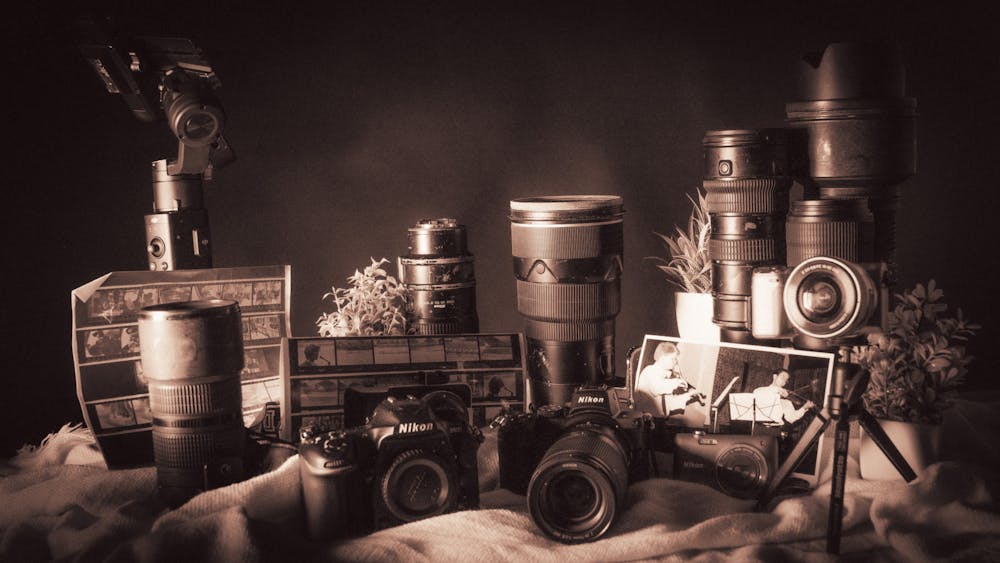
This mindset is especially powerful now when film photography is having a resurgence. There’s something about the slow and deliberate pace of film, the inability to see a photo immediately, that calls for the photographer to be more intentional. After all, we’re less likely to snap a hundred photos if we only have 24 exposures. The feeling when the prints arrive feels like a present from the past. With film, I feel a desire for a slower relationship with memory.
All that aside, the goal isn’t to stop posting or start carrying around a film camera. It’s about noticing the impulse before acting on it, and asking yourself: Is this a moment I want to remember? If it is, how do I want to remember it? After everything is said and done, the photos we take for ourselves will still be there. In those snapshots, versions of ourselves will continue to live on.
We should take photos not because we want to be seen, but rather because we don’t want to forget.