
Skip to Content, Navigation, or Footer.
34th Street Magazine - Return Home

Film & TV

Quick Flick: De-lovely

De-Lovely depicts the life of legendary songsman Cole Porter. Director Irwin Winkler manages to incorporate into the film nearly every significant piece of music that Porter composed. Unfortunately, Winkler sacrifices the semblance of a coherent narrative in doing so. De-Lovely is a sequence of flat and unrelated episodes, strung together by frequent, poorly executed musical numbers, nearly all of which occur outside of the film's diegesis.

Kevin Kline's dynamic and energetic performance brings a little bit of life to an otherwise narrow representation of Cole Porter. Ashley Judd's portrayal of Linda Porter merits no such praise. The stilted but witty dialogue is written in the mode of a 1940s MGM musical. Watching Judd struggle with lines that apparently she does not understand is genuinely uncomfortable.

Winkler ends up with an awkward and confused cast, absurdly overdone mise-en-scŠne, less than ambitious cinematography and no detectable signs of a story.

Winkler's effort to raise the classic MGM musical genre from the dead is a noble one, but ultimately unfruitful and disappointing. -- Maggie Hennefeld

More like this
ironlungdom.png
Review

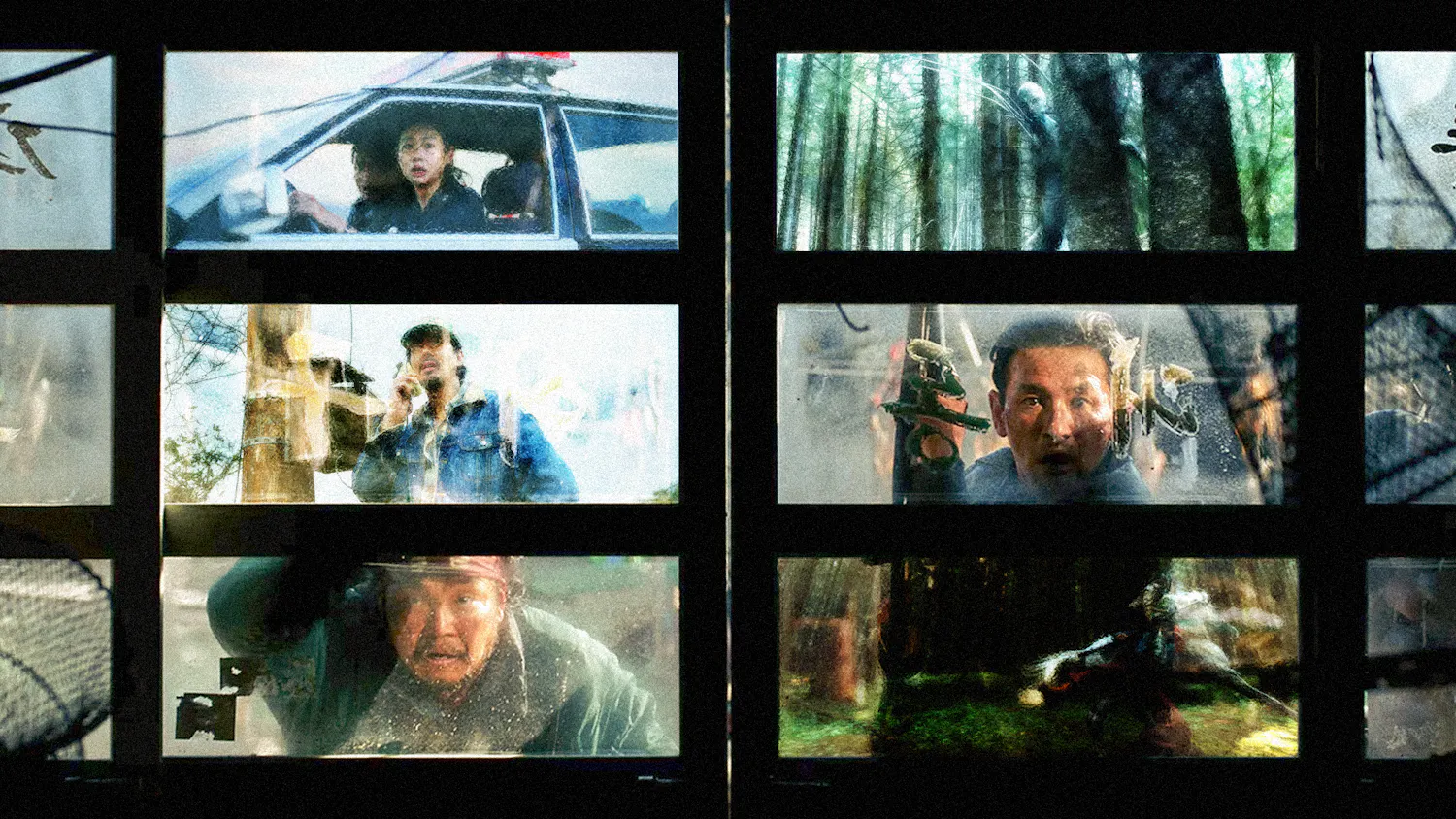
‘Iron Lung’ and the Rise of the YouTuber Film

Iron Lung shows how a creator with a large online audience turned a low budget game adaptation into strong box office revenue through fan driven promotion and social reach. YouTube creators build direct audience ties, run production pipelines, and mobilize viewers to support projects across media platforms. The film’s performance signals a shift where online personalities compete with studio backed releases through community scale and digital marketing power.

Wicked Duology
Film & TV

‘Wicked: For Good’ is for the Theatre Kids

Wicked: For Good closes its story without awards recognition but with clear creative conviction. The film’s reception reflects a mismatch between its intentions and critical expectations. Designed as the second half of a continuous narrative, it prioritizes character depth and long-term emotional payoff over accessibility. In doing so, For Good succeeds less as a crowd-pleaser and more as a film made for those already invested in the world of Wicked.