
Skip to Content, Navigation, or Footer.
34th Street Magazine - Return Home

Film & TV

Why You Should Take Muppeteers Seriously (Despite the Silly Name)

1.     They perform in the most uncomfortable positions imaginable. Imagine having to curl up in a little ball for hours on end with a little cushion on wheels being a little cushion on wheels. Meanwhile, you have to keep your arm raised the entire time. Doesn’t sound so fun now, does it, punk?


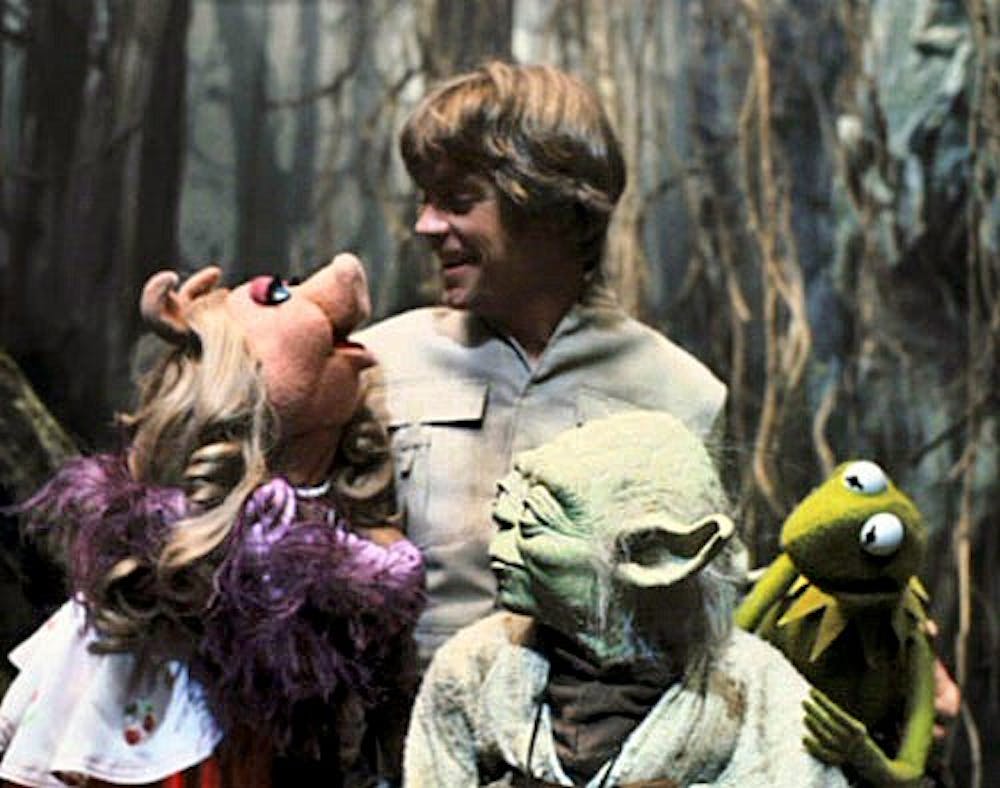
2.     They have incredible vocal range.  No Muppeteer exclusively performs one character; rather, they tend to acquire Muppets and switch them off as time goes by. For example, if you listen really closely, Miss Piggy sounds like Yoda in drag. That’s because they were both played by Frank Oz. That, or Yoda has an unusual past time.


3.     It’s a lucrative business. Kevin Clash, the performer of Sesame Street’s Elmo, has a net worth of $5 million. Not too shabby for someone with a tickling fetish.


4.     They’re surrounded by celebrities. So you want to hang out with Jack Black, Selena Gomez, Rashida Jones, Zach Galifianakis, Jim Parsons, Kristen Schaal, and NPH? Get in line. Or, alternatively, become a Muppeteer. Celebrity cameos are to Muppet movies as creepy children are to horror movies: they just go together.

ALSO READ: 5 Facts about The Muppets that You Probably Didn't Know Muppets Return To The Big Screen, and Aren't Just For Kids Anymore


More like this
ironlungdom.png
Review

‘Iron Lung’ and the Rise of the YouTuber Film

Iron Lung shows how a creator with a large online audience turned a low budget game adaptation into strong box office revenue through fan driven promotion and social reach. YouTube creators build direct audience ties, run production pipelines, and mobilize viewers to support projects across media platforms. The film’s performance signals a shift where online personalities compete with studio backed releases through community scale and digital marketing power.

Wicked Duology
Film & TV

‘Wicked: For Good’ is for the Theatre Kids

Wicked: For Good closes its story without awards recognition but with clear creative conviction. The film’s reception reflects a mismatch between its intentions and critical expectations. Designed as the second half of a continuous narrative, it prioritizes character depth and long-term emotional payoff over accessibility. In doing so, For Good succeeds less as a crowd-pleaser and more as a film made for those already invested in the world of Wicked.