Film & TV


Love Island USA Week One Recap: Let the Games Begin
Welcome back to another summer of Fiji sun, teeny tiny bikinis, and a whole lot of drama.

A Very Queer Cannes
In a disappointingly uneven year for Cannes, queer stories made for the festival’s most ambitious and memorable work.

The Backrooms Are So Back
How Kane Parsons’s captivating sci–fi world no–clipped onto the big screen.
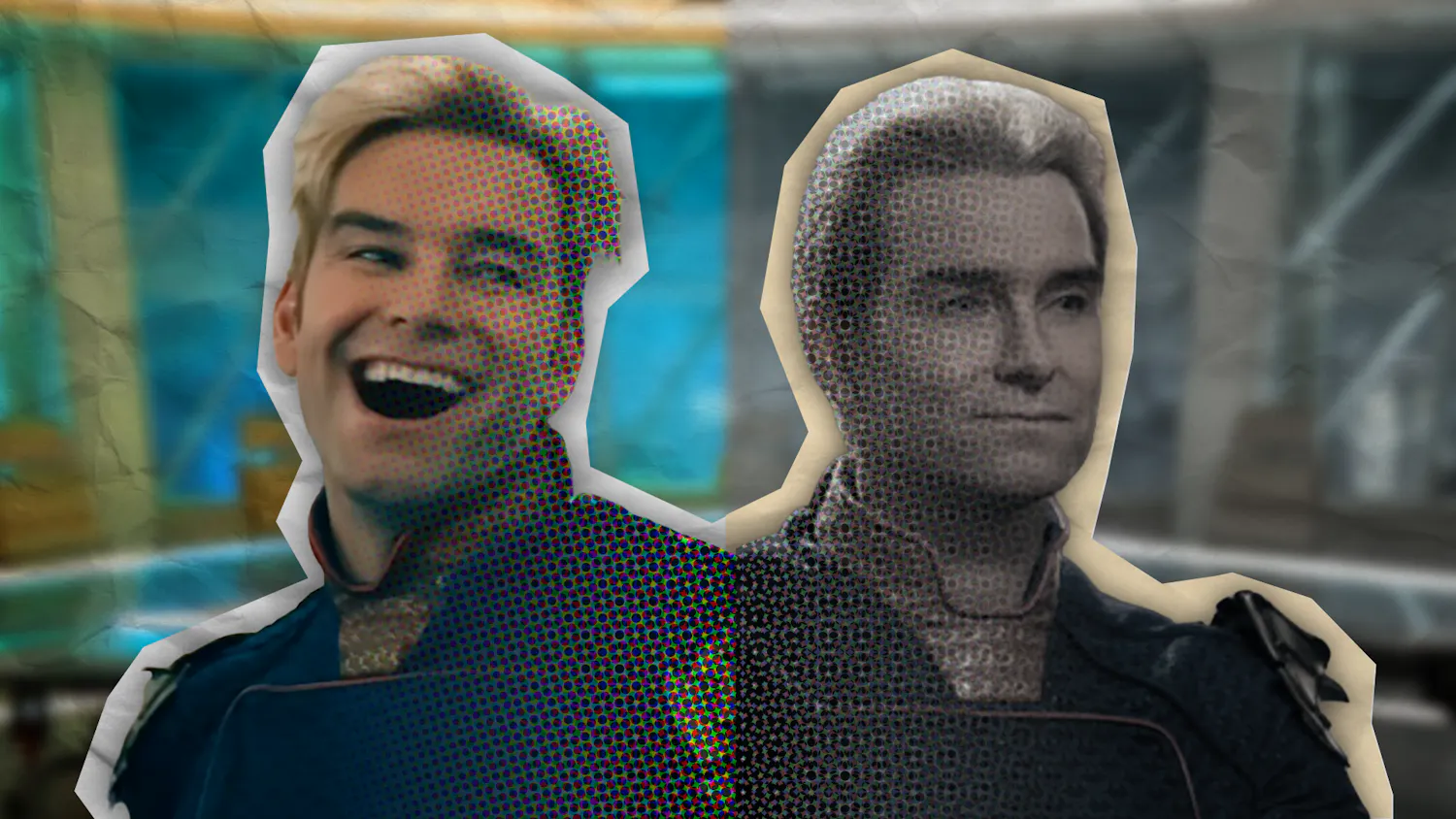
‘The Boys’ Lost Its Bite
The final season delivers emotional payoff, but the show that once broke the mold settles for the bare minimum.

What Happened to Star Wars?
‘The Mandalorian and Grogu’ is watchable entertainment, but that’s also part of the problem.

Why We Shouldn’t Obsess Over ‘Obsession’
Curry Barker’s inventive dark horror feature is well–executed, but goes too far.

Flashy Action and Flawless Victory
How ‘Mortal Kombat II’ leans into its origins and doesn’t lose to sequel syndrome.

How Did ‘Daredevil: Born Again’ Miss the Mark, Again?
Season 2 of Disney+’s revival keeps expanding the scale, cast, and stakes, but louder spectacle can’t replace what made the Netflix original work so well.

‘Mother Mary’ is More Ridiculous Than Revealing
Anne Hathaway as a pop star and the exorcism of fabric headline this bizarre metaphor for collaboration.
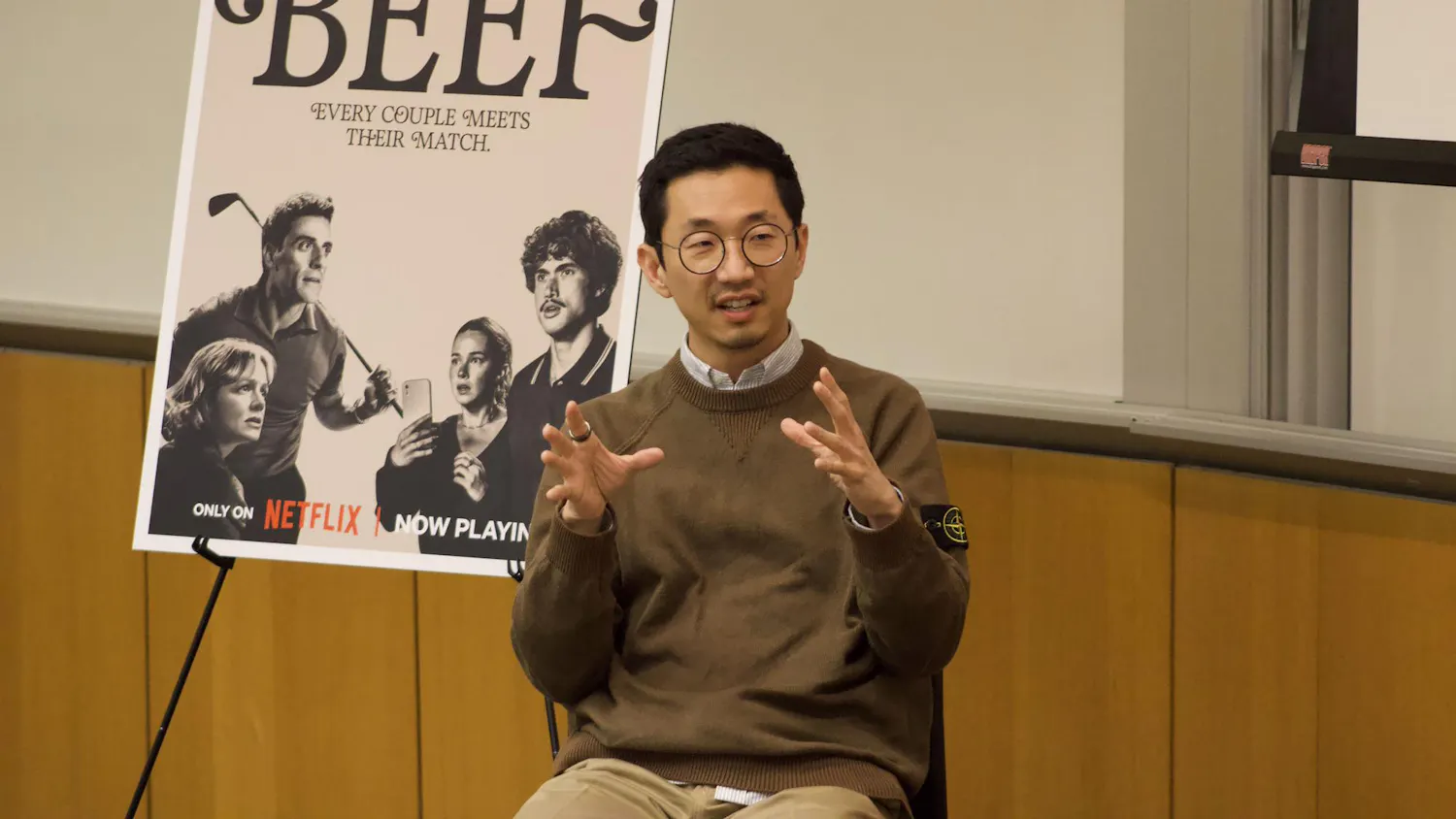
How Lee Sung Jin Builds ‘Beef’ From Real Life
At Penn, the creator of Netflix’s hit series unpacks his writing process and Season 2.
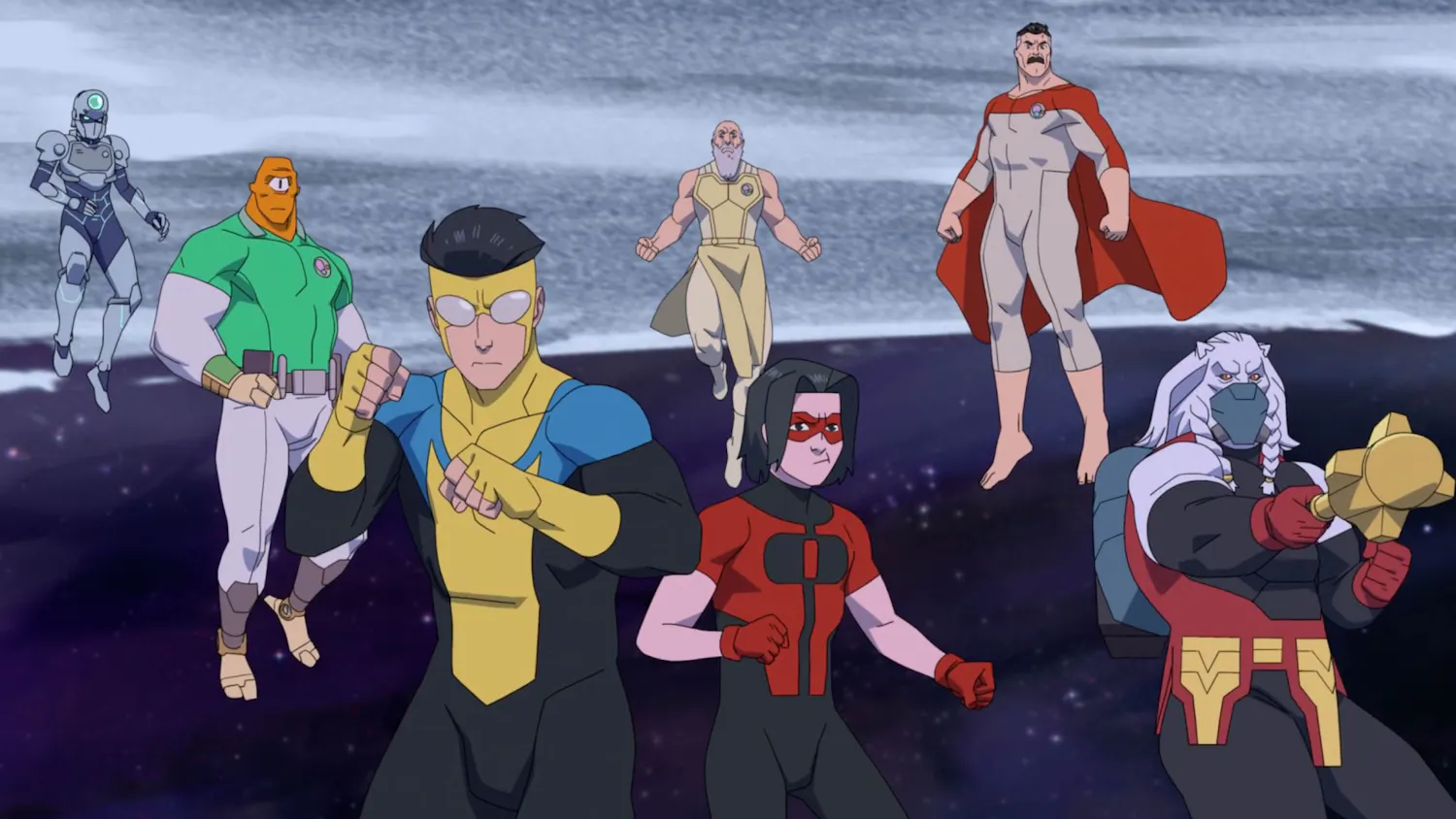
When Is ‘Invincible’ at Its Best?
Season 4 showcases a series torn between filler and its most compelling story yet.
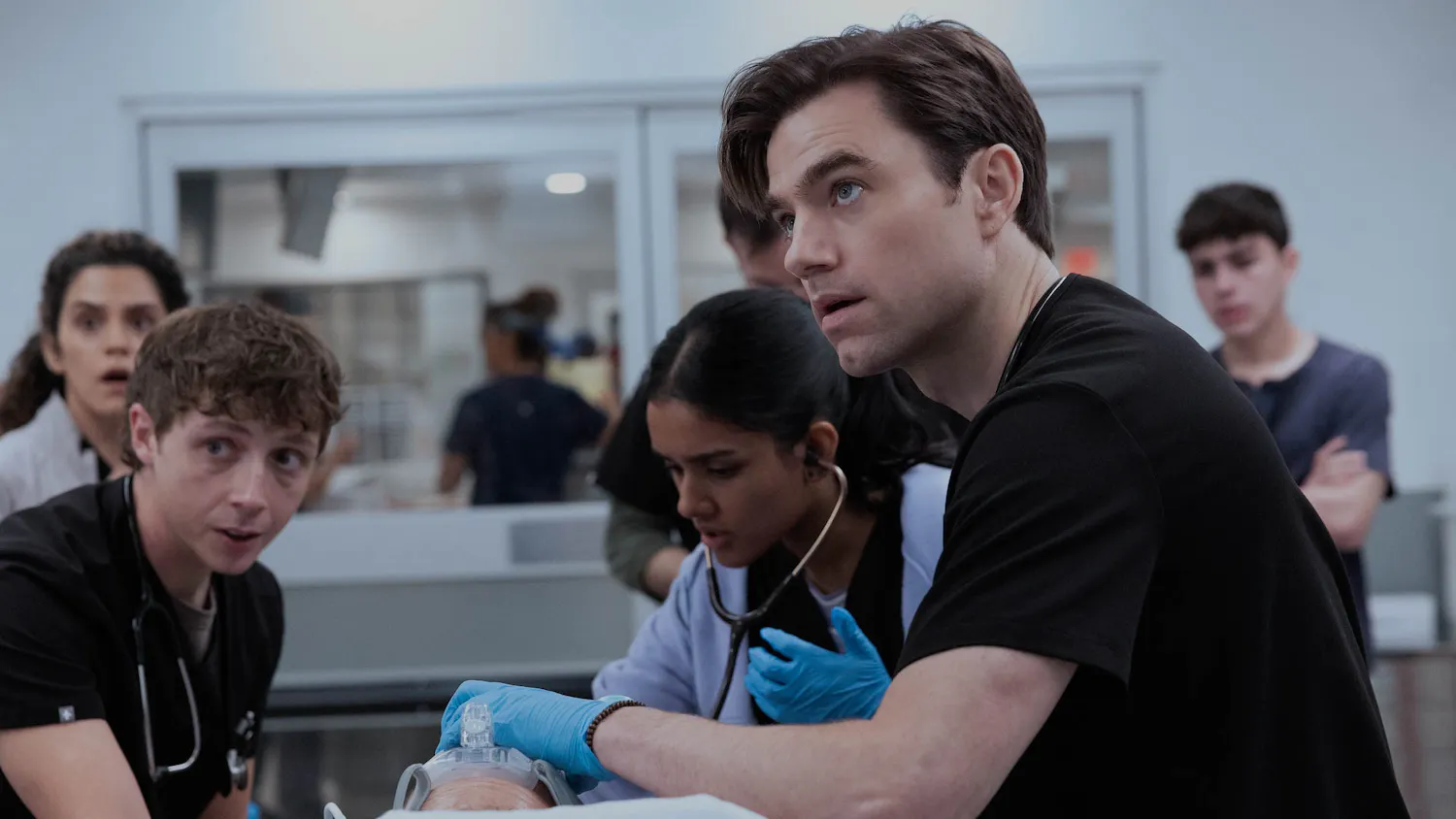
‘The Pitt’: Hopecore or Overwhelming Stress?
The chaos of the emergency room may be exactly what the world needs right now.

Going Forward Won’t Save You in ‘Exit 8’
Genki Kawamura’s adaptation turns a looping hallway into a reflection on avoidance, forward movement, and modern life.

Should We Be Worried About AI Actors?
Why artificial intelligence actors will never replace movie stars in Hollywood.

Before the Movies Begin, AI is Already Watching
For Penn students pursuing a career in the film industry, artificial intelligence is altering both the work and the way in.
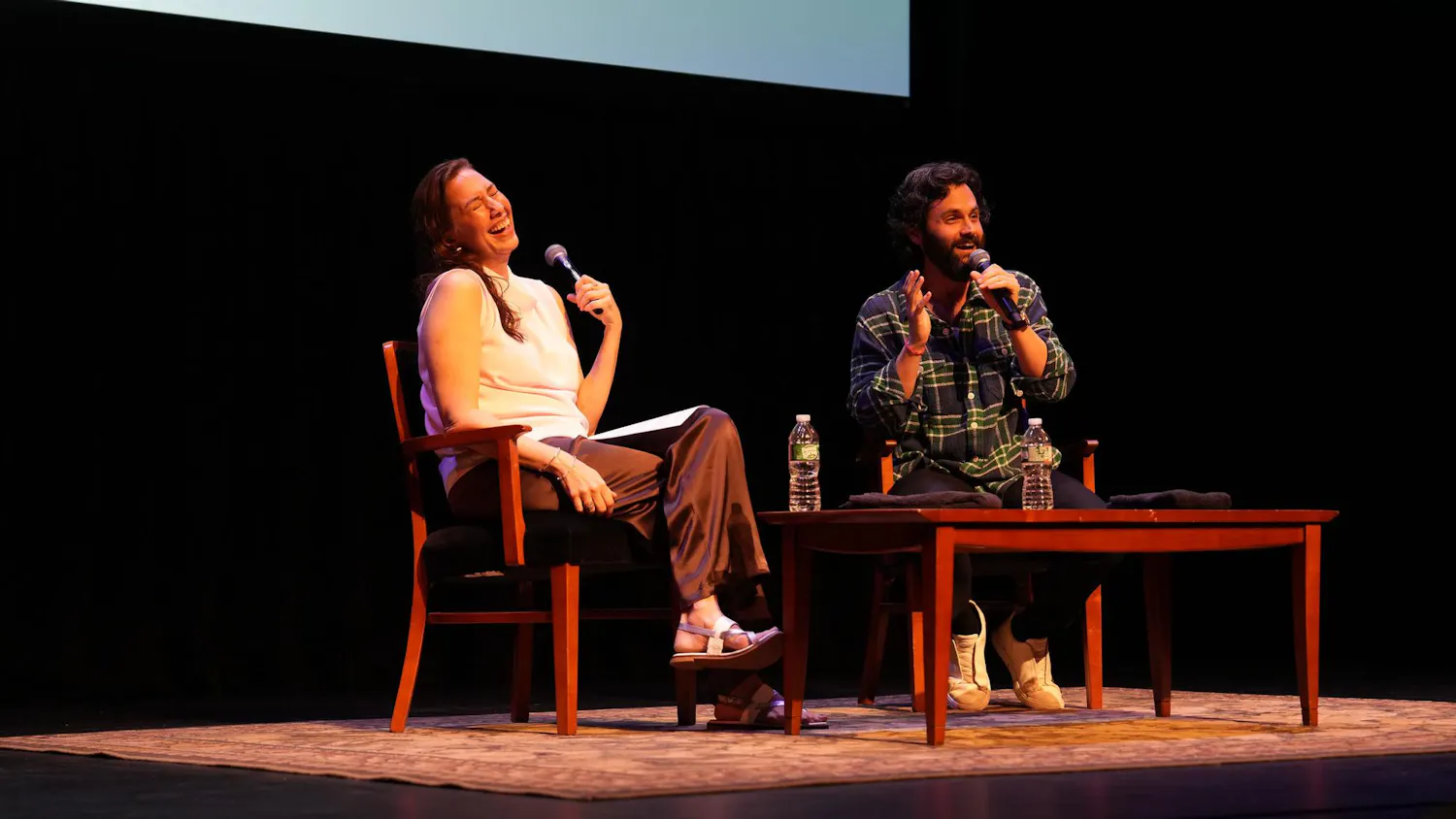
“Penn at Penn,” But What Was the Point?
At a SPEC event, the Gossip Girl and You star takes on media, morality, and modern relationships—but never quite finds his footing.
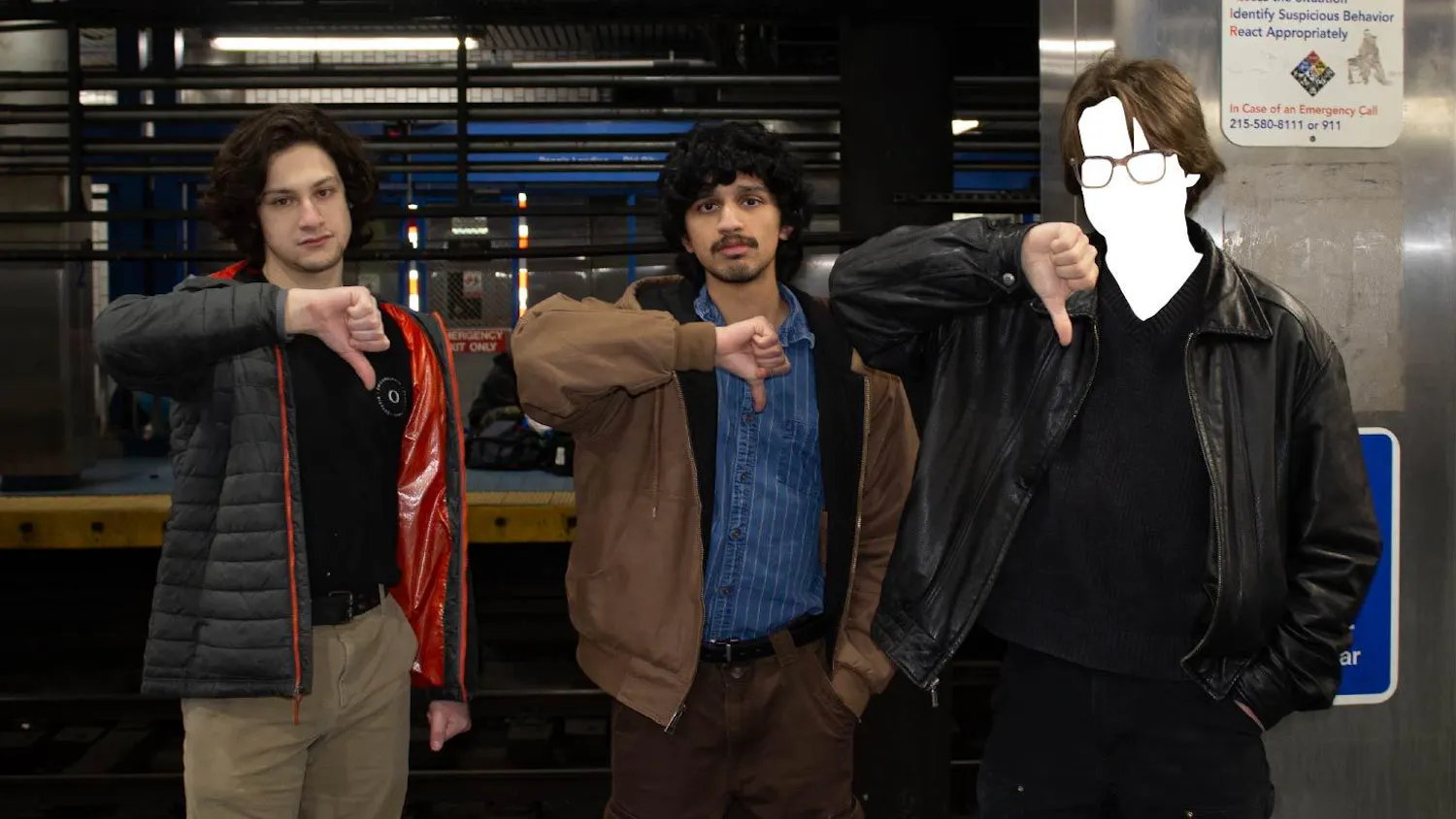
HUMP! is Decadent and Depraved
HUMP! Film Festival thinks sex is funny, but also profound. HUMP! is neither.

‘The Drama’ is NOT a Rom–Com
Kristoffer Borgli’s new (unorthodox) love story challenges audiences to question whether love is truly unconditional alongside its characters.
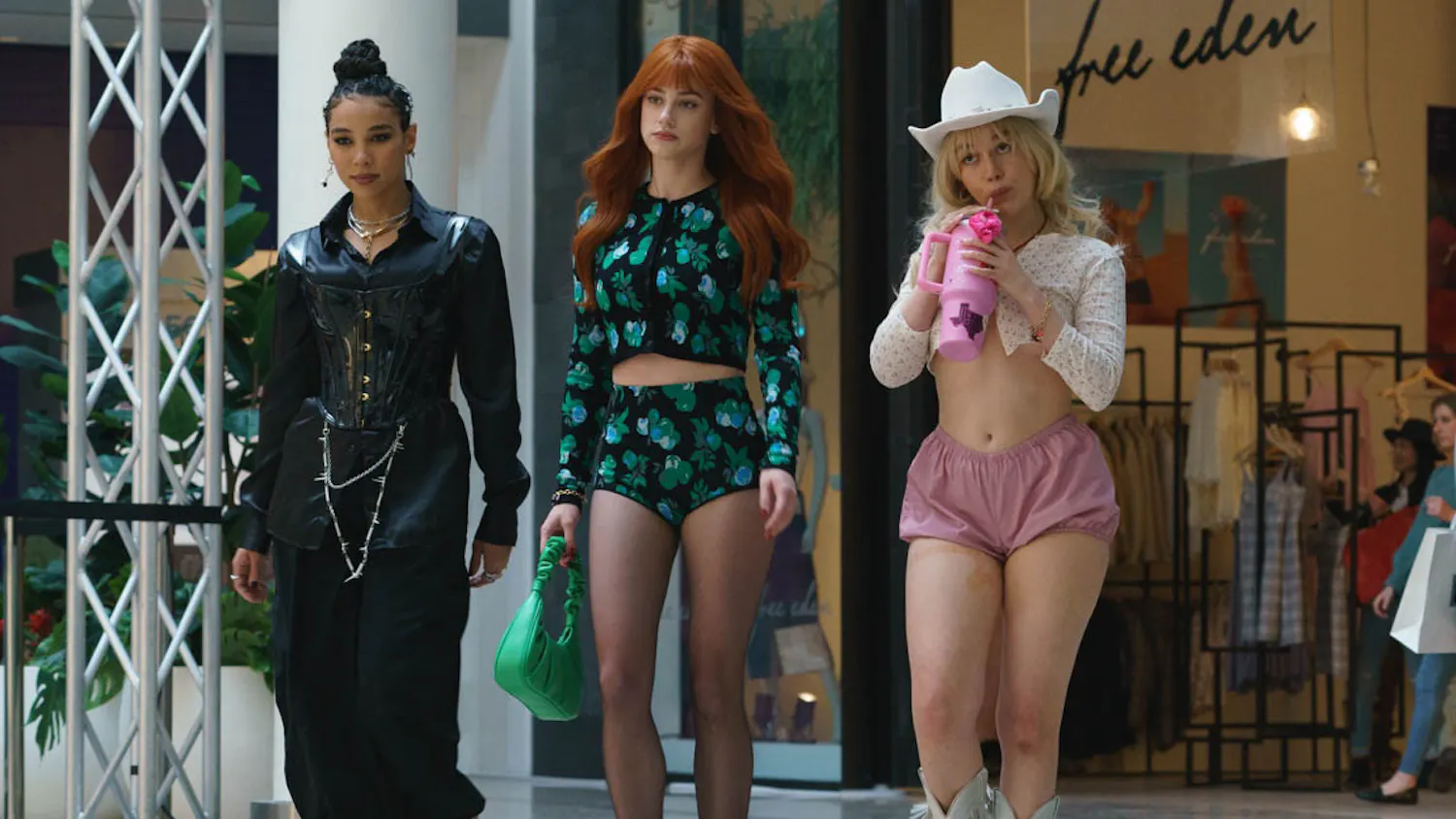
‘Forbidden Fruits’: The Revival of Girl Horror
What’s not to love about a toxically feminist, sapphic coven?